Neuesten Nachrichten
 Samstag, 25. Januar 2025
Revolutionizing MS-Access Migrations with AI
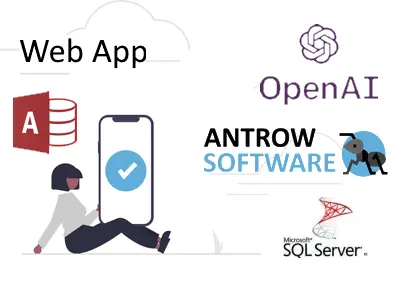
At Antrow Software, we’ve embraced the power of ChatGPT and Microsoft Copilot to bring faster, smarter, and more cost-effective solutions for migrating MS-Access databases to Web Apps and cloud platforms.
Here’s how AI is transforming the migration process:
- Lower Costs: Automation has significantly reduced development time, saving you money.
- Faster Results: Complex migrations are now completed in record time, minimizing delays.
- Improved Quality: AI ensures optimized, error-free solutions tailored to your unique needs.
- Focus on You: With smarter tools handling technical tasks, we can deliver a Web App that fits your business perfectly.
What’s in it for You?
By combining AI with our expertise, we’ve made it easier and more affordable to move your MS-Access databases to the cloud or Web App platforms like AWS or Azure. The result? Seamless access to your data and applications from anywhere, on any device.
In 2025, we look forward to continuing to provide innovative solutions to keep your business ahead.
Contact us today to learn how we can help you modernize your applications.
Visit antrow.com
Tags:
#MSAccess #DatabaseMigration #WebApp #CloudSolutions #ChatGPT #MicrosoftCopilot #AntrowSoftware #Innovatio
Kundengeschichten
 Dienstag, 28. Februar 2023Autor: Antrow Software
Jane betreibt ein kleines Einzelhandelsgeschäft, das sich auf handgefertigten Schmuck spezialisiert hat. Zu Beginn ihres Geschäfts verwendete sie eine Kombination aus Tabellenkalkulationen und Papierakten, um ihren Bestand und ihre Verkäufe zu verwalten. Als ihr Geschäft wuchs, wurde ihr jedoch schnell klar, dass diese Methode nicht mehr tragbar war.
Nach einigen Recherchen stieß Jane auf Antrow Software Development und beschloss, die Software zur Bestandsverwaltung auszuprobieren. Das Team von Antrow war unglaublich hilfsbereit, stellte ihr eine Demo der Software zur Verfügung und beantwortete alle ihre Fragen.
Jane war beeindruckt von der Benutzerfreundlichkeit und Flexibilität der Software, die es ihr ermöglichte, ihr Inventar, ihre Verkäufe und ihre Kundeninformationen leicht an einem Ort zu verfolgen. Sie schätzte auch die Möglichkeit, Berichte zu erstellen und ihre Daten zu analysieren, um fundierte Geschäftsentscheidungen zu treffen.
Seit der Implementierung der Antrow-Software hat sich die Effizienz und Genauigkeit in Janes Unternehmen deutlich verbessert. Sie ist nun in der Lage, schnell zu erkennen, welche Produkte sich gut verkaufen und welche wieder aufgefüllt werden müssen, was ihr hilft, fundierte Kaufentscheidungen zu treffen.
Darüber hinaus hat die Software ihren Verkaufsprozess gestrafft, so dass sie Kundeninformationen leicht nachverfolgen und mit den Kunden in Kontakt bleiben kann, um sie zum Wiederkauf zu bewegen. Insgesamt hat Antrow Software Development das Geschäft von Jane entscheidend verändert, denn es hilft ihr, Zeit zu sparen, Fehler zu reduzieren und bessere Entscheidungen zu treffen. Sie ist dankbar für die Unterstützung und das Fachwissen des Antrow-Teams und freut sich darauf, die Software weiterhin zu nutzen, um ihr Geschäft auszubauen.

Neueste Artikel
Dienstag, 9. Mai 2023Autor: Antrow SoftwareUnternehmen unterschiedlicher Größe nutzen Microsoft Access für die Desktop-Datenbankverwaltung. Da immer mehr Unternehmen auf die Cloud umsteigen, müssen sie ihre Desktop-Anwendungen wie MS Access in webbasierte Anwendungen umwandeln. Webbasierte Anwendungen haben viele Vorteile, aber die Umwandlung von MS Access in eine solche Anwendung ist schwierig.
Datenintegrität und Sicherheit sind die größten technischen Hürden bei der Umwandlung von MS Access in eine Webanwendung. Die Konvertierung von MS Access-Datenbanken in webbasierte Anwendungen erfordert die Verlagerung der Daten auf einen Cloud-Server. Um Datenverlust, -beschädigung oder -diebstahl zu vermeiden, muss diese Migration sorgfältig geplant und durchgeführt werden.
Die Kompatibilität mit Webbrowsern erfordert eine Neugestaltung der Benutzeroberfläche. MS Access verwendet Formulare, Berichte und Makros in seiner Desktop-Oberfläche. Um diese Formulare und Berichte webbasiert zu machen, muss die Benutzeroberfläche umgestaltet werden.
Webanwendungen benötigen eine andere Architektur als Desktopanwendungen. MS Access verwendet ein Client-Server-Modell mit dem Desktop-Programm als Client und der Datenbank als Server. Webbasierte Anwendungen haben eine Präsentationsschicht, eine Anwendungsschicht und eine Datenbankschicht. Datenbankdesign, Anwendungsentwicklung und Einsatz unterscheiden sich bei dieser Architektur.
Skalierbarkeit und Leistung sind ein weiteres Thema. Webanwendungen müssen schnell sein und eine große Anzahl von Benutzern und Daten verarbeiten können. Anwendungsarchitektur, Datenbankstruktur und Code müssen entworfen und optimiert werden.
Schließlich ist die Umstellung von MS Access auf eine webbasierte Anwendung schwierig und kompliziert. Datenintegrität und -sicherheit, Neugestaltung der Benutzeroberfläche, dreistufige Architektur sowie Skalierbarkeit und Leistung sind die Probleme. Bei richtiger Konzeption und Ausführung können webbasierte Anwendungen die Zugänglichkeit, Skalierbarkeit und Zusammenarbeit für Unternehmen verbessern.